
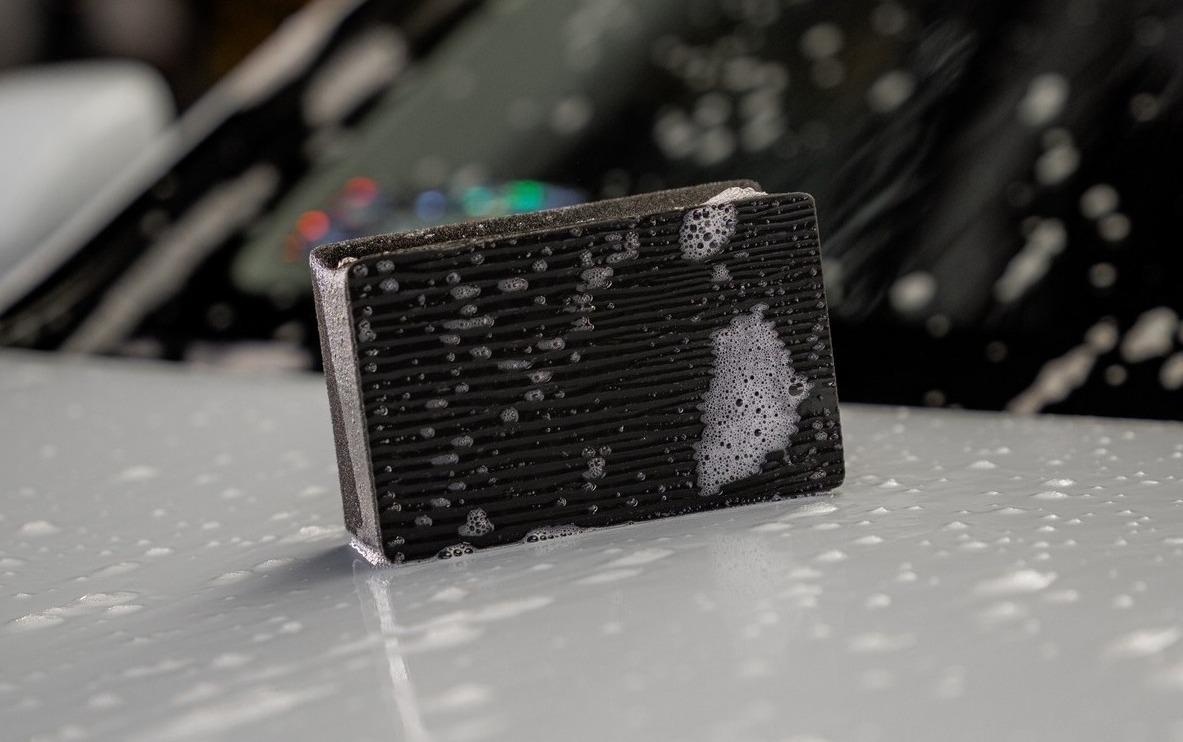
Remove Bonded Deposits
Helps remove contamination that remains attached after normal washing. Inspect the paint after claying to determine whether polishing is needed before applying protection.
A reusable synthetic clay block for cars that helps remove bonded contamination left after washing. Its sponge backing provides a comfortable grip, while the polymer working surface can be rinsed during use. Always use a compatible clay lubricant.

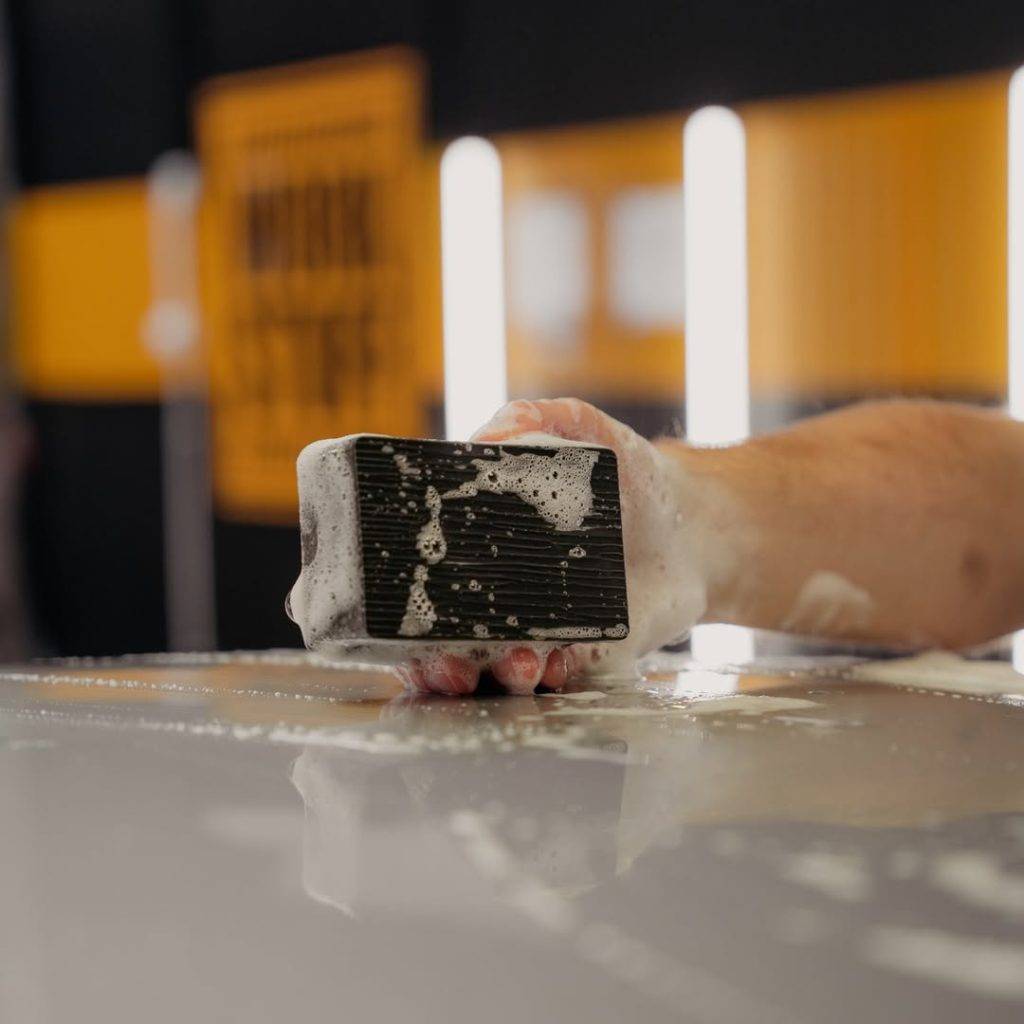

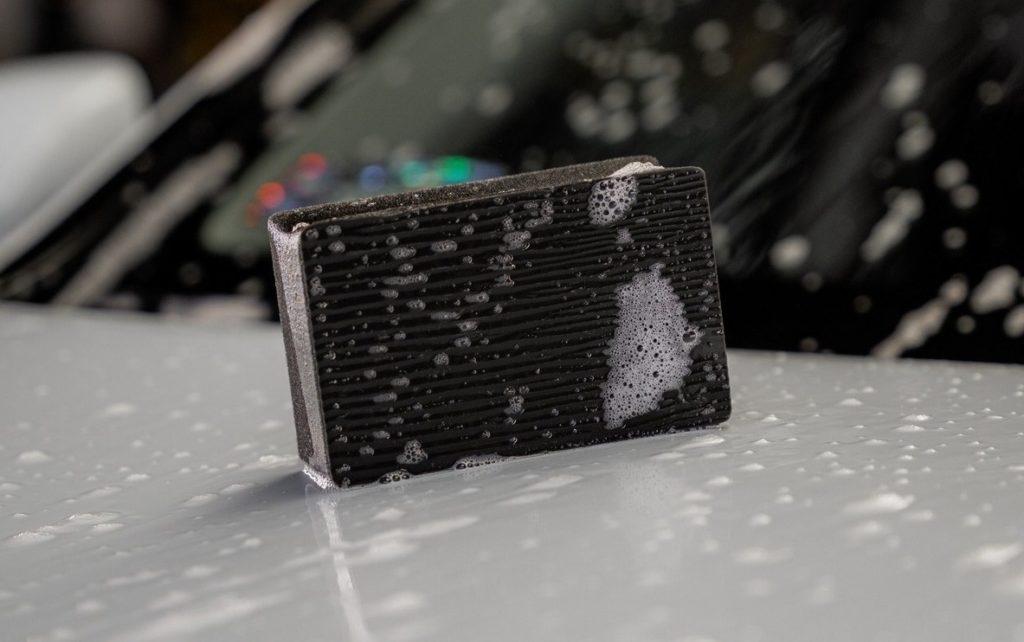

Even after a thorough wash, car paint can still feel rough due to bonded contaminants such as industrial fallout, light paint overspray and stubborn road deposits. These particles can remain attached to the surface when ordinary washing is no longer enough.
WORK STUFF CLAY BLOCK is a reusable synthetic clay sponge designed to help remove this type of contamination from properly lubricated paintwork. Unlike traditional kneadable clay, its fine-grade polymer working surface can be rinsed during use.
Read the Car Paint Decontamination Guide ↗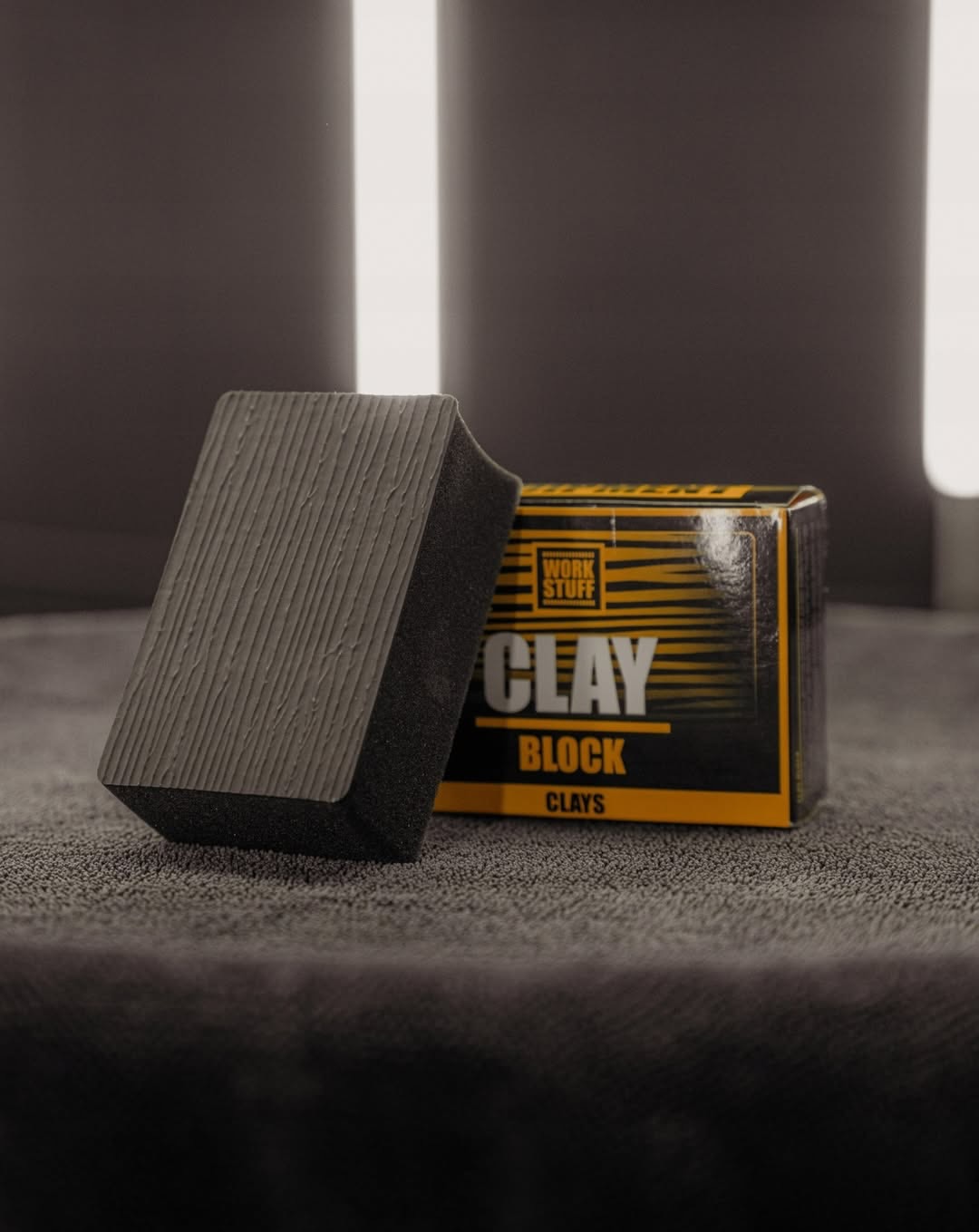
CLAY BLOCK combines a fine-grade synthetic polymer surface with a sponge backing for controlled mechanical decontamination. This reusable clay bar alternative helps lift bonded contamination left after washing, while allowing the working face to be rinsed throughout the process.
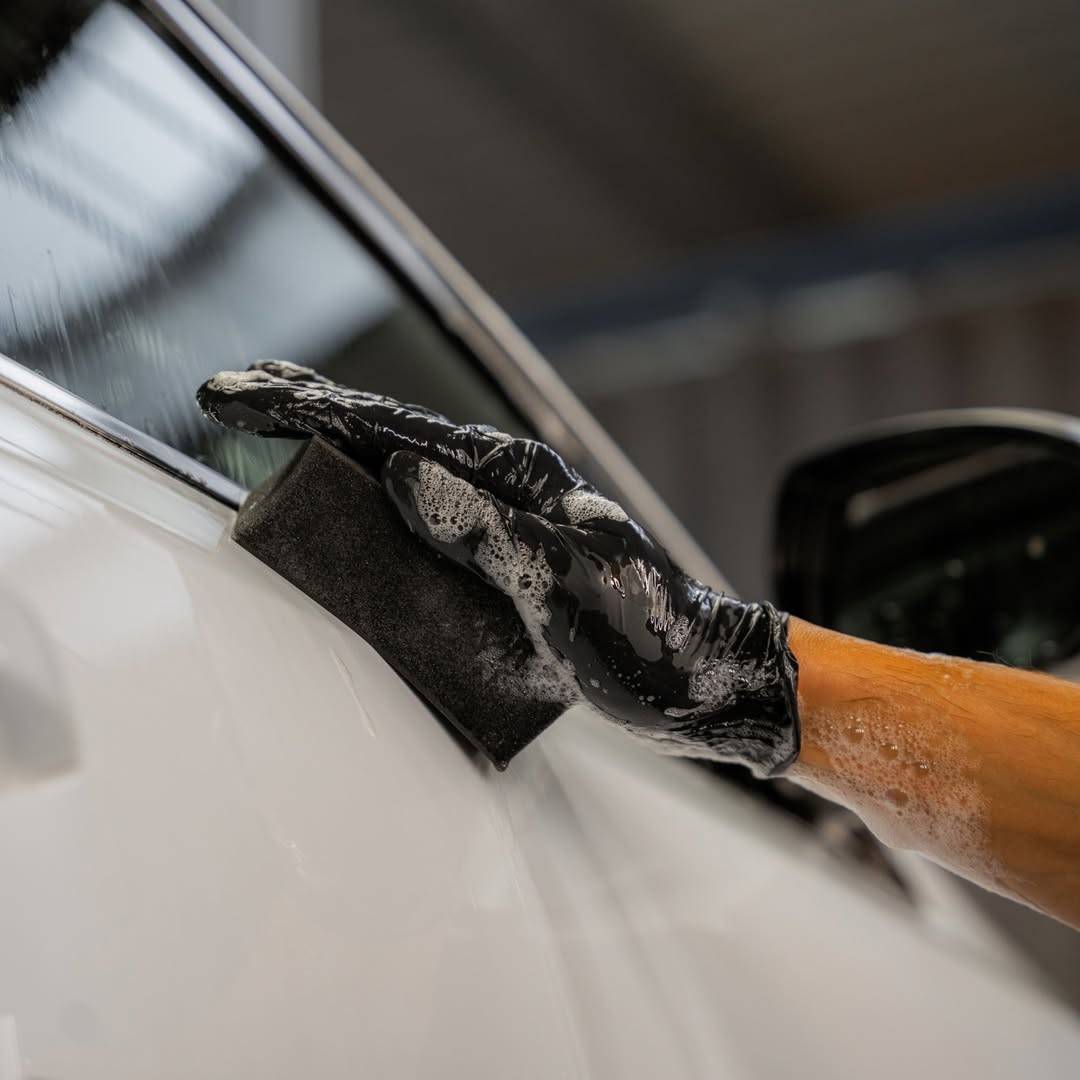
Helps remove contamination that remains attached after normal washing. Inspect the paint after claying to determine whether polishing is needed before applying protection.
The sponge backing provides a comfortable grip, making it easier to guide the block across properly lubricated paintwork using light pressure.
Rinse the polymer working surface regularly to remove collected contamination. Reuse the block only when its working face remains clean, undamaged and suitable for paint contact.

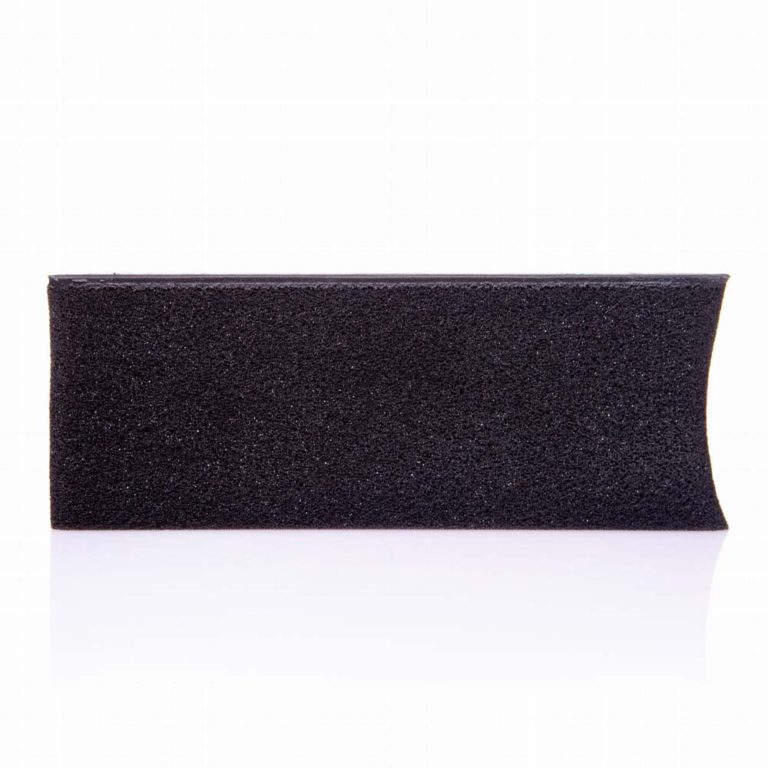
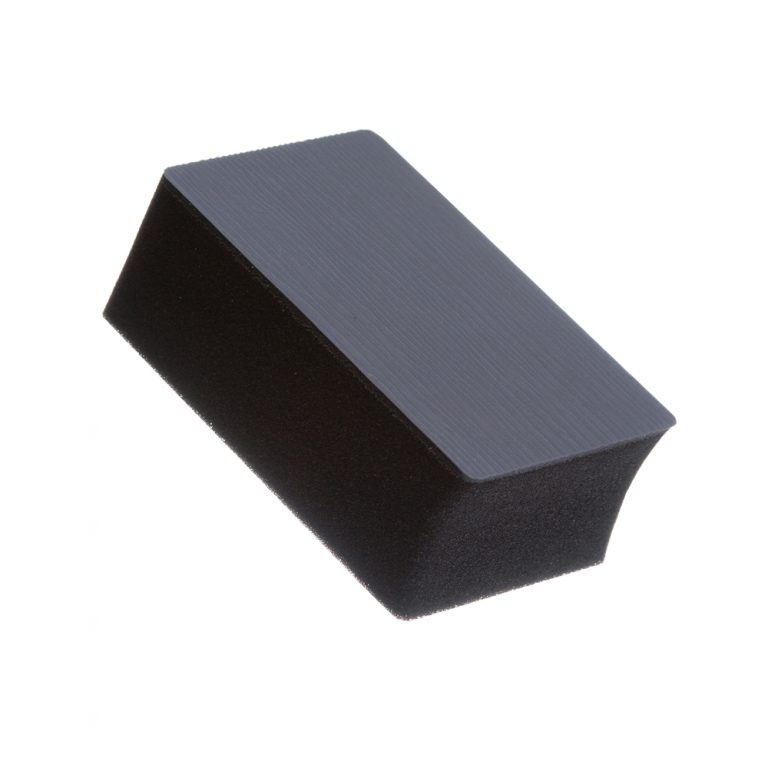
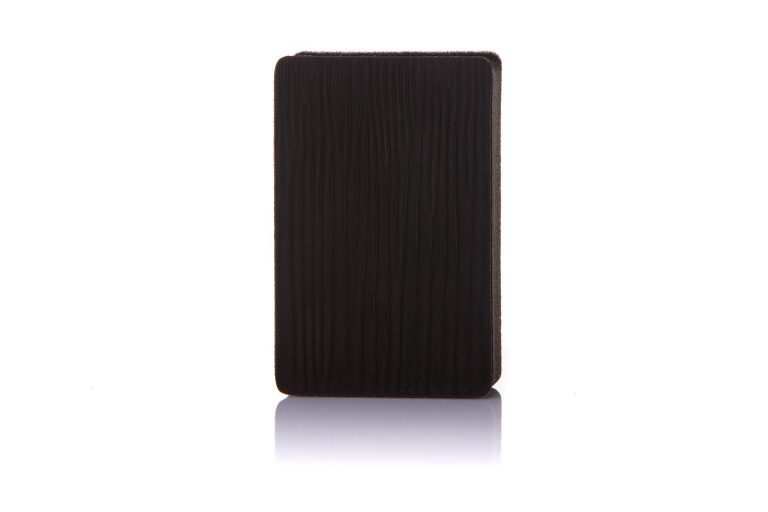
Use CLAY BLOCK only after thoroughly washing the vehicle. Work on clean, cool surfaces in small sections, keeping the block and paint generously lubricated. Glide the polymer working face with light pressure and rinse it frequently to remove collected contamination.
Wash and rinse the vehicle thoroughly to remove loose dirt before mechanical decontamination. If chemical iron decontamination is required, complete that step and rinse according to the product instructions before claying.
Apply a compatible water-based clay lubricant generously to both the working area and the polymer face. Never use CLAY BLOCK on dry paint.
Move the block gently across a small section without pressing hard. If the block begins to drag, stop, check the working surface and add more lubricant as needed.
Rinse the polymer working face frequently during use. After treating each section, remove lubricant residue according to the lubricant manufacturer's instructions. If rinsing is required, rinse the panel first, then dry it with a clean microfiber towel and inspect the finish.
A clean working surface and adequate lubrication are essential. Mechanical decontamination can cause fine marring, especially when contamination becomes trapped in the working face. Inspect the paint before polishing or applying protection.
| Tool | Handling & Surface | Working Format |
|---|---|---|
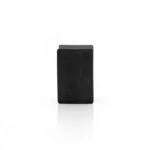 CLAY BLOCK | Handheld sponge backing | Reusable synthetic polymer surface |
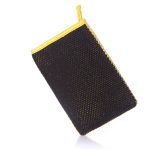 CLAY MITT | Mitt-style handling for larger panels | Reusable synthetic clay surface |
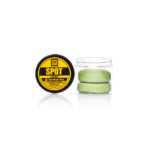 SPOT CLAY BAR | Hand-kneaded detailing clay | Traditional mouldable clay |
Choose CLAY BLOCK if you prefer a firm sponge-style grip, CLAY MITT for a mitt format when working across larger panels, or SPOT CLAY BAR for traditional kneadable clay that can be folded to expose a fresh working surface. All three require proper lubrication and can cause marring if used incorrectly.
A clay block is used for mechanical decontamination after washing. Its synthetic polymer working surface helps remove bonded deposits from compatible automotive paint and glass when used with adequate lubrication.
CLAY BLOCK uses a reusable synthetic polymer surface attached to a sponge backing. A traditional clay bar is made from kneadable detailing clay that can be folded to expose a clean working surface. Both require proper lubrication and careful handling.
Yes. Apply a compatible clay lubricant generously to the paint and working face. Adequate lubrication helps the block glide across the surface with less friction. Never use CLAY BLOCK on dry paint.
Mechanical decontamination can cause fine marring, especially if dirt becomes trapped in the working surface or insufficient lubricant is used. Wash the vehicle first, apply light pressure and inspect the block regularly.
Not always. Clay decontamination can leave fine marring or light surface marks, depending on the paint condition, contamination and technique. After claying, clean and inspect the paint under good lighting. If you notice marring, haze or other defects, polishing may be needed before applying protection. If the finish remains clear and free of visible defects, you can proceed with a suitable wax or sealant without necessarily polishing first.
Yes. Rinse the polymer working surface regularly and inspect it before reuse. If contamination cannot be removed or the working surface becomes damaged, do not continue using the block on paint.
If ferrous contamination is present, a suitable iron remover can be used before mechanical claying. Follow its instructions, rinse thoroughly and then proceed with CLAY BLOCK using a compatible clay lubricant.
No. CLAY BLOCK is sold separately. GOOD STUFF Clay Kit contains 250 ml (8.5 US fl oz) of Clay Lube and a 50 g (1.8 oz) WORK STUFF Spot Clay Bar. Clay Lube is currently supplied as part of the kit rather than as a standalone product.
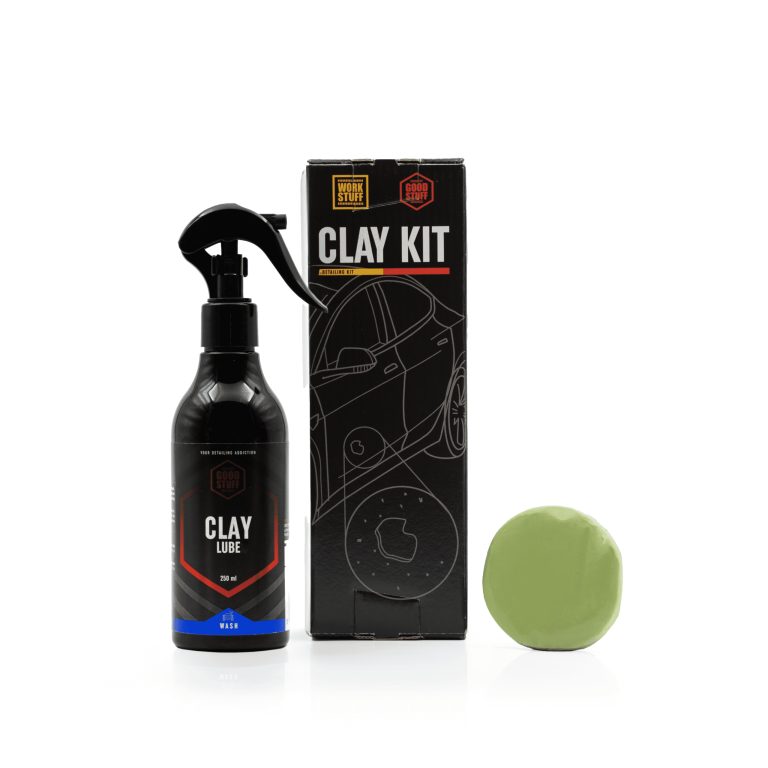
Mechanical clay decontamination requires proper lubrication. GOOD STUFF Clay Kit includes 250 ml (8.5 US fl oz) of Clay Lube and a 50 g (1.8 oz) WORK STUFF Spot Clay Bar. The lubricant supports controlled gliding during the claying process, while the included clay bar offers a traditional alternative to a synthetic block. CLAY BLOCK is sold separately and is not included in the kit.
Always use adequate lubrication and light pressure. Mechanical decontamination can cause marring, so inspect the paint after claying and polish if necessary before applying protection. GOOD STUFF Clay Kit provides Clay Lube, but CLAY BLOCK is sold separately.
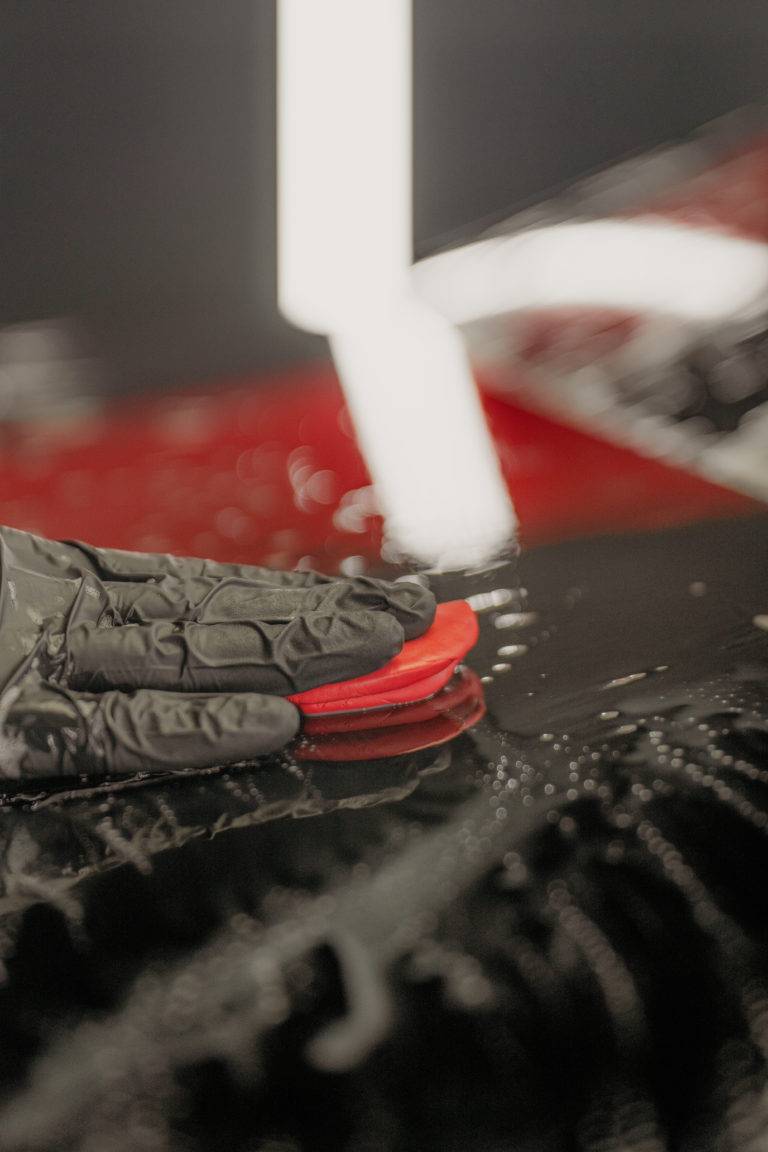 LUBRICATE · GLIDE · INSPECT
 Good Stuff Pure Shampoo01 / Contact Wash · Remove loose dirt before mechanical decontamination to reduce the risk of dragging contamination across the paint.→Good Stuff Iron Remover02 / Optional Chemical Decontamination · Dissolve bonded ferrous contamination on compatible surfaces when needed. Follow the product instructions and rinse thoroughly before claying.→
 WORKER Microfiber03 / Residue Removal · Wipe away remaining clay lubricant with a clean microfiber towel and inspect the treated surface.→GOOD STUFF SiO₂ Detailer04 / Optional Finishing Step · If the paint does not require polishing or correction, apply a suitable finishing product according to its instructions to add gloss and temporary hydrophobic protection.→
A reusable synthetic clay sponge designed to help remove bonded contamination from washed vehicle paint. Use it with a compatible clay lubricant and find CLAY BLOCK through an authorized WORK STUFF retailer.
Buy from Authorized Shops


