Why 70/30 Microfiber Matters in Car Detailing
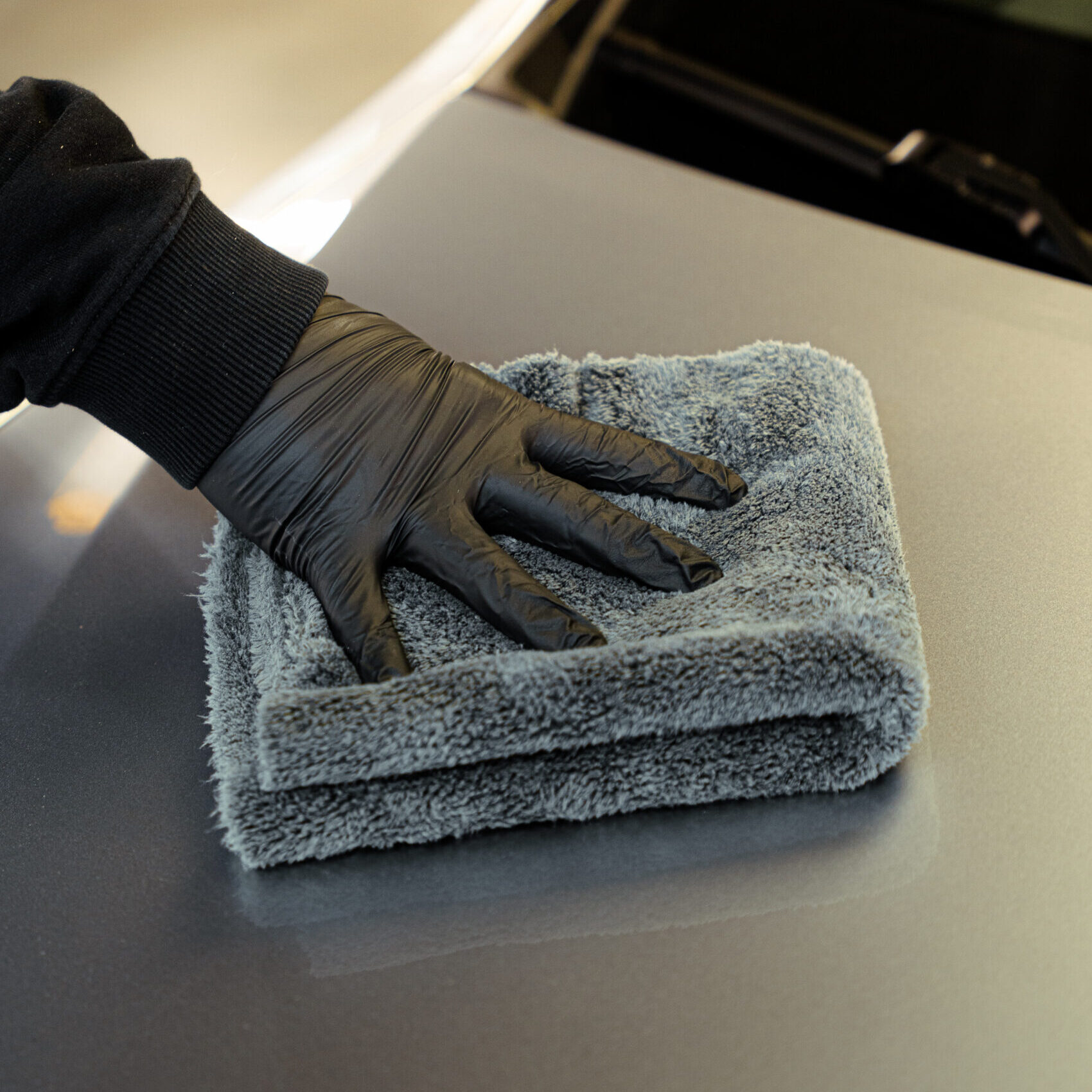
A microfiber towel may look like a simple accessory, but in car detailing it has direct contact with the most sensitive surfaces of the vehicle. It dries paint, removes wax residue, buffs quick detailers, cleans interiors and helps finish the car after almost every wash.
That is why the quality of microfiber matters. It is not only about GSM, size or softness in hand. One of the most important details is the material blend. Work Stuff microfiber towels use a 70/30 composition: 70% polyester and 30% polyamide. This blend is more expensive than common 80/20 or 100% polyester towels, but it offers better softness, absorbency and safety during detailing.
What Does 70/30 Microfiber Mean?
The 70/30 blend means that the towel is made from 70% polyester and 30% polyamide.
Each material has a different role.
Polyester gives the microfiber its structure, durability and cleaning ability. It helps the towel keep its shape, resist wear and lift contamination from the surface.
Polyamide is responsible for softness, absorbency and the towel’s ability to hold water and residue inside the fibers. In simple terms, more polyamide usually means a softer and more absorbent towel.
This is why 70/30 microfiber is often used in premium detailing towels. It gives a better balance between strength and softness, making the towel safer and more effective on delicate automotive surfaces.

Why Not Just Use 80/20 or 100% Polyester?
80/20 microfiber can still work well for general cleaning, interiors, wheels or less delicate jobs. But when the towel touches paintwork, especially during drying, wax removal or final buffing, 70/30 gives a safer and more refined feel.
Compared to 80/20, 70/30 usually offers:
• softer contact with the surface
• better water absorption
• smoother glide on paint
• safer residue removal
• better performance on delicate or dark paint
100% polyester towels are usually cheaper and durable, but they do not provide the same softness and absorbency expected from premium detailing microfiber. They may be suitable for rougher tasks, but they are not the best choice for paint-safe work.


Where 70/30 Microfiber Makes the Biggest Difference
The 70/30 blend is especially useful on paintwork and delicate surfaces.
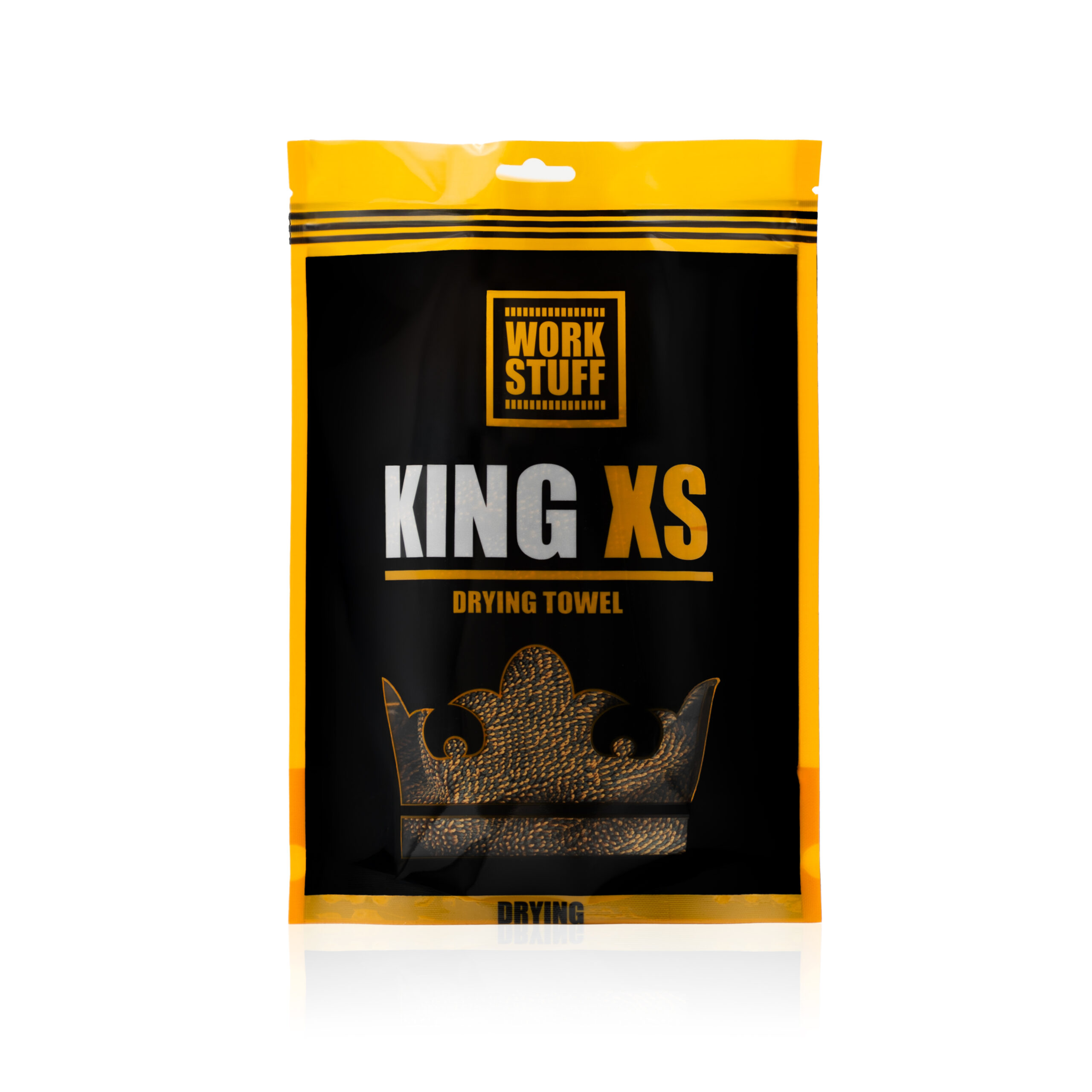
For drying, towels like KING, BEAST and KING XS help absorb water quickly while reducing friction on the paint.
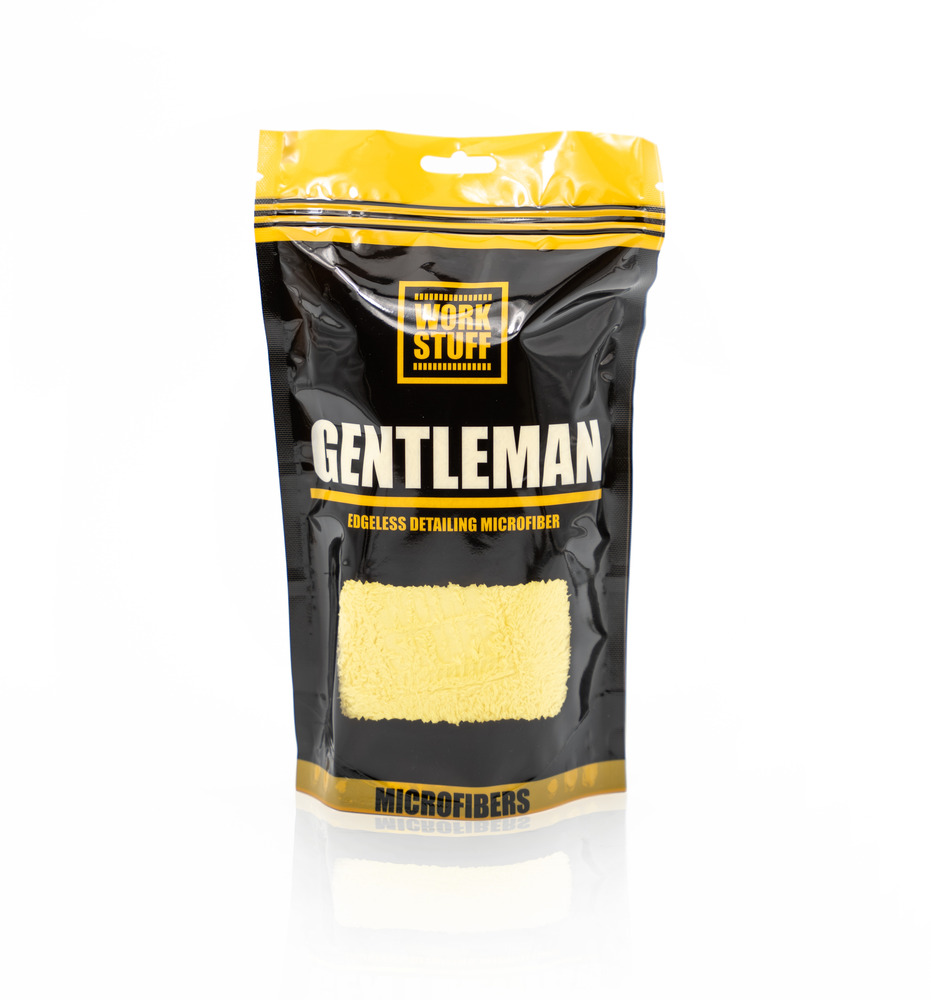
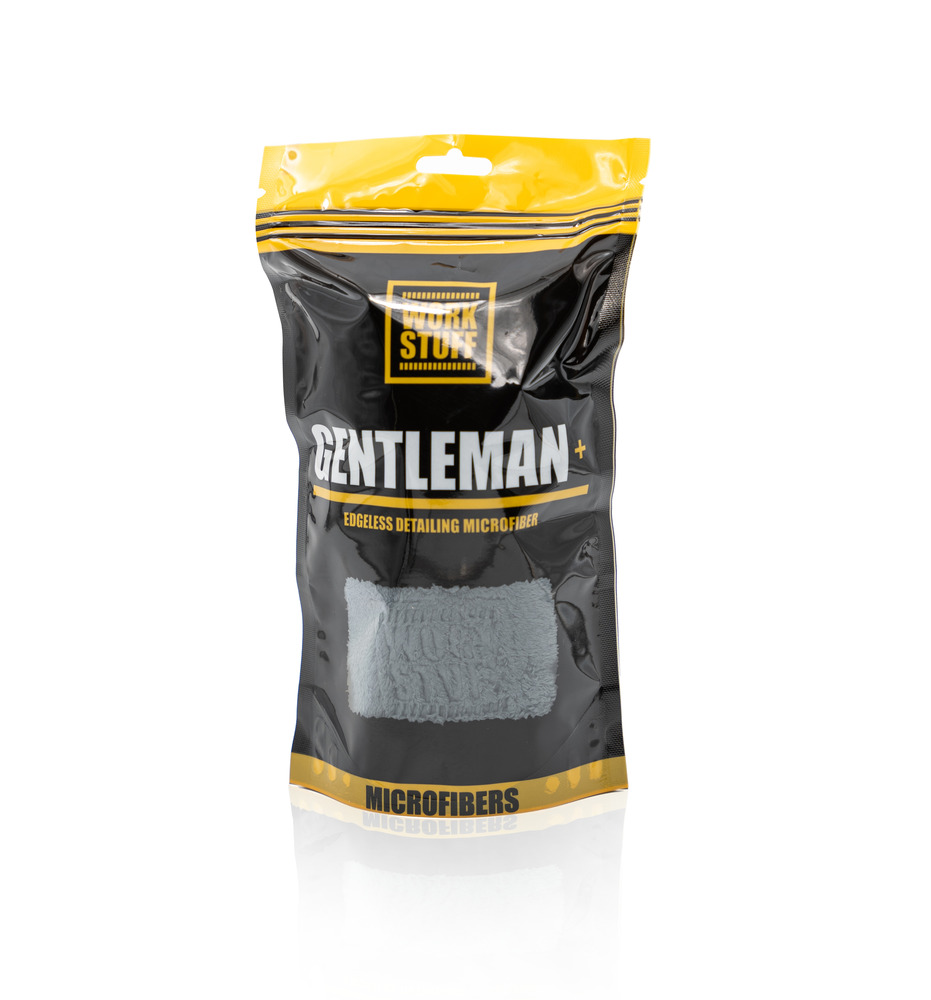
For wax removal, quick detailers and final buffing, GENTLEMAN and GENTLEMAN+ offer the softness and control needed for a clean, glossy finish.
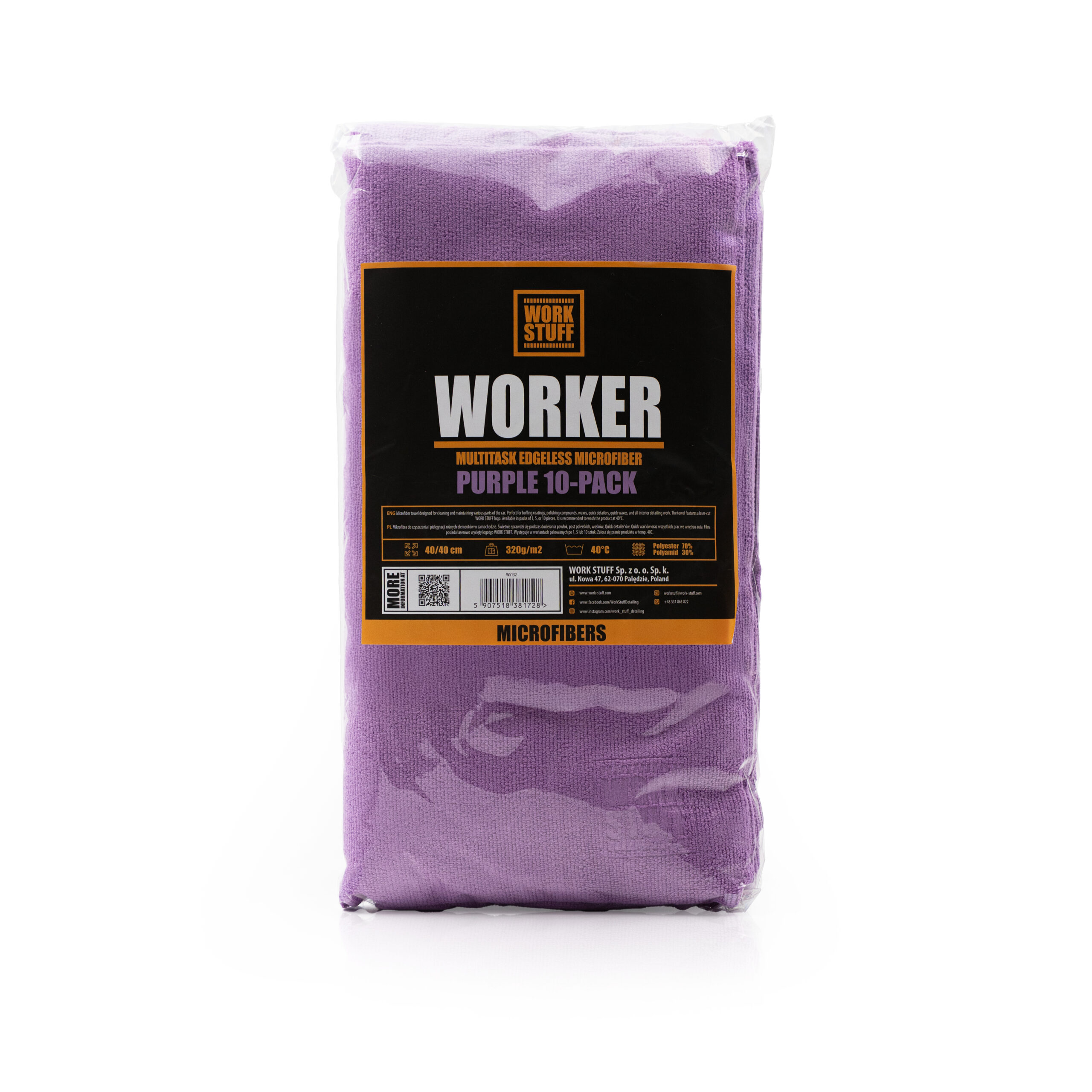
For interiors, WORKER and GENTLEMAN Basic are practical choices because they are easier to fold, control and use around trims, screens, plastics and door panels.
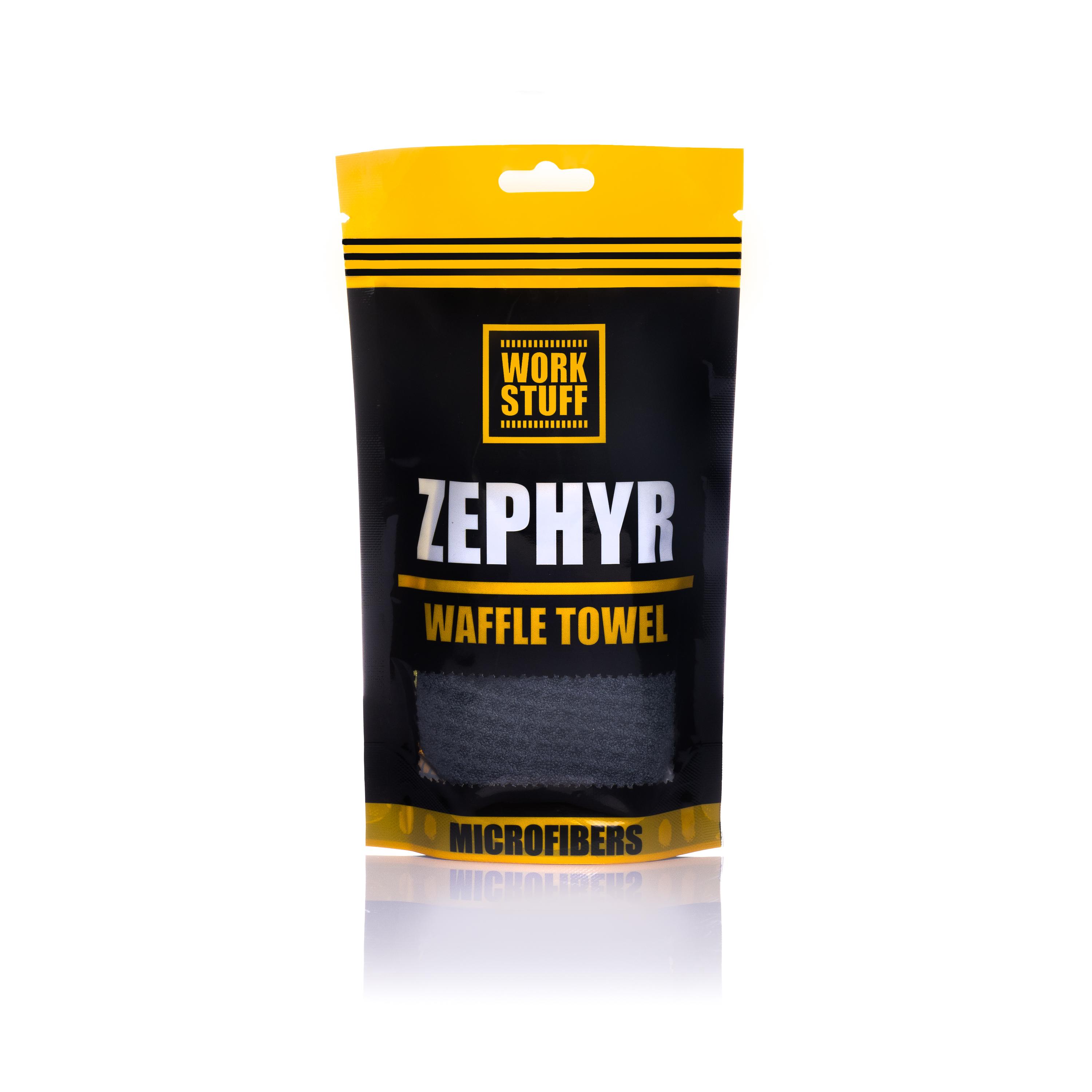
For glass, structure is just as important as material blend. ZEPHYR Waffle Towel uses a waffle weave design to help reduce streaks and leave windows clearer.
Is 70/30 Always Necessary?
Not always. For very dirty areas like wheels, lower panels or engine bays, towel separation is more important than premium softness. For glass, the weave structure plays a huge role. But for paintwork, drying, wax removal and final finishing, 70/30 microfiber gives a clear advantage.
The best detailing setup is not one towel for everything. It is a set of towels matched to different tasks, with premium microfiber used where surface safety matters most.

Is 70/30 microfiber better than 80/20?
Yes, especially for paintwork, drying and final buffing. The higher polyamide content makes the towel softer, more absorbent and safer for delicate surfaces.
Is 80/20 microfiber bad?
No. 80/20 microfiber can still be useful for general cleaning, interiors or dirty areas. However, for premium detailing and paint-safe work, 70/30 is usually the better choice.
Why are 70/30 microfiber towels more expensive?
Because they contain more polyamide and usually require higher production quality. This improves softness, absorbency and overall detailing performance.
Can I use one microfiber towel for everything?
No. Paint, glass, interiors and wheels should have separate towels to avoid scratches, lint and cross-contamination.
Final Thoughts
Find a Store Near You
GENTLEMAN
GENTLEMAN+
BEAST

WORKER
ZEPHYR WAFFLE TOWEL
KING XS