
HOW TO DRY YOUR CAR AFTER WASHING
The safest way to dry a car is to work on a cool surface, start from the top, use clean microfiber with minimal pressure and finish by checking mirrors, badges, handles and panel gaps.
Good drying is not about rubbing harder. It is about removing water efficiently while limiting unnecessary contact with paint.
LIGHT PRESSURE.
CLEAN TOWEL.
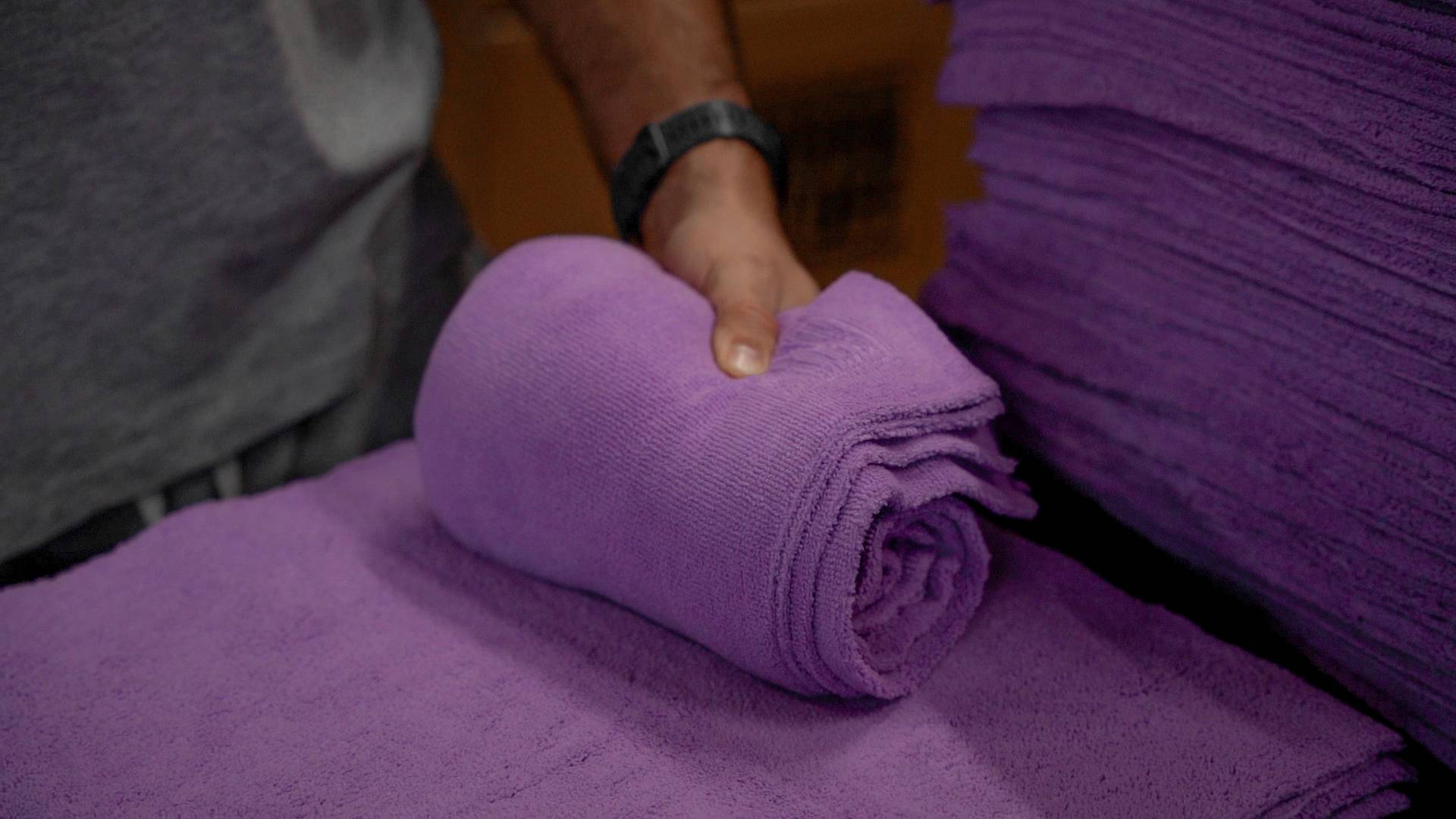
DRY THE WATER. PROTECT THE FINISH.
Water left on the surface can evaporate and leave mineral residue behind. On hot panels, that process happens even faster.
Correct drying also gives you control over where water goes instead of allowing it to drip back from mirrors and trim.
THREE REASONS TO DRY YOUR CAR PROPERLY
REDUCE WATER SPOTS
Removing water before it evaporates helps reduce mineral residue left on paint and glass.
CONTROL SURFACE CONTACT
A clean microfiber towel lets you remove water with light, predictable contact.
FINISH THE WASH PROPERLY
Mirrors, handles and panel gaps can release water after the rest of the vehicle appears dry.
HOW TO DRY A CAR SAFELY
The process is simple: reduce unnecessary contact, use clean tools and follow a consistent working order.
MOVE OUT OF DIRECT SUNLIGHT
Whenever possible, work on a cool surface so water does not evaporate faster than you can remove it.
BEGIN WITH ROOF & GLASS
Work from top to bottom so runoff does not repeatedly wet panels you have already finished.
USE LIGHT PRESSURE
Lay the towel flat and let the fibers collect the water. Avoid aggressive rubbing.
CHECK WATER TRAPS
Mirrors, handles, badges, fuel doors and panel gaps often hold water longer than large body panels.
WALK AROUND THE CAR
Inspect lower doors, mirrors, trim and boot edges before considering the vehicle finished.
HOW TO USE A DRYING TOWEL
A drying towel does not need heavy pressure to work.
On horizontal panels, place the towel flat and lift it or gently pull it across the surface. On vertical panels, keep the towel controlled so it never touches the ground.

WHAT ORDER SHOULD YOU DRY A CAR IN?
LARGE OR SMALL DRYING TOWEL?
Large towels cover main panels faster. Small towels give more control around details.
For many vehicles, the most practical setup is one large towel for the body and one smaller towel for mirrors, bumpers, jambs and tighter areas.
Compare drying towel sizes →
DON'T FORGET WATER TRAPS
Side mirrors, trim lines, badges and handles can release water several minutes after the main panels are already dry.
Use a compact microfiber or controlled airflow to remove trapped water before the final inspection.
SEE MAGNETO →
SHOULD YOU LET YOUR CAR AIR DRY?
Letting the vehicle dry naturally is easy, but it also gives mineral-rich water time to evaporate on the surface.
LOW CONTACT, LOW CONTROL
You avoid towel contact, but you also lose control over where water evaporates and where mineral residue remains.
CONTROLLED WATER REMOVAL
A clean automotive microfiber towel lets you remove water before it dries onto paint and glass.
SHOULD YOU USE A DRYING AID?
A drying aid or quick detailer can add slickness during the final drying stage and make the finishing pass easier.
It should support the process, not replace correct washing and drying technique.
Use a suitable quick detailer according to the product instructions during the final finishing stage.
SEE GOOD STUFF GLOSS DETAILER →WHAT SHOULD YOU AVOID WHEN DRYING A CAR?
LETTING IT AIR DRY
Water can evaporate and leave mineral residue.
DIRECT SUNLIGHT
Hot panels accelerate evaporation.
DIRTY TOWEL
Contaminated microfiber should not return to paint.
TOO MUCH PRESSURE
Let the microfiber absorb instead of scrubbing.
HOUSEHOLD TOWELS
Use microfiber designed for automotive surface contact.
IGNORING DRIPS
Mirrors and trim can re-wet finished panels.
TAKE CARE OF YOUR DRYING TOWELS
Wash microfiber separately from cotton and avoid fabric softener, which can reduce absorbency.
BUILD A BETTER WASH & DRY ROUTINE
CAR DRYING QUESTIONS
What is the best way to dry a car after washing?
Work on a cool vehicle, start from the top and use a clean microfiber drying towel with light pressure.
How do you dry a car without water spots?
Remove water before it evaporates, avoid hot panels and check mirrors, badges and panel gaps for hidden runoff.
Can I let my car air dry?
You can, but mineral-rich water may evaporate and leave visible residue on paint and glass.
Should I wipe or blot a car dry?
Both can work when using clean microfiber and light pressure. Blotting or controlled dragging reduces unnecessary friction.
Do I need more than one drying towel?
A large towel for body panels and a smaller towel for mirrors, gaps and detail areas is a practical setup.
Can I use a quick detailer while drying?
Yes, when the product is designed for that use. Apply it according to its instructions and avoid oversaturating the towel.
DRY FASTER. TOUCH PAINT LESS.
Choose the right drying towel for your vehicle, panel size and detailing routine.


